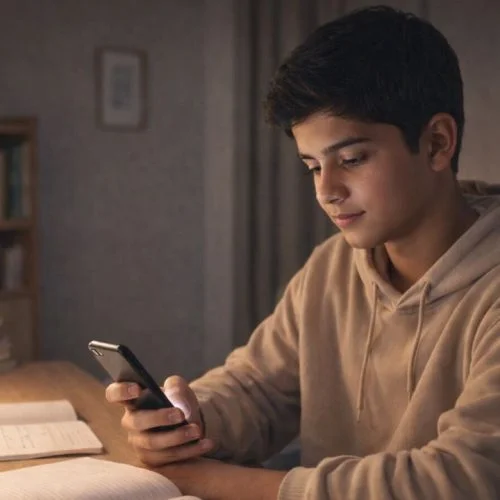

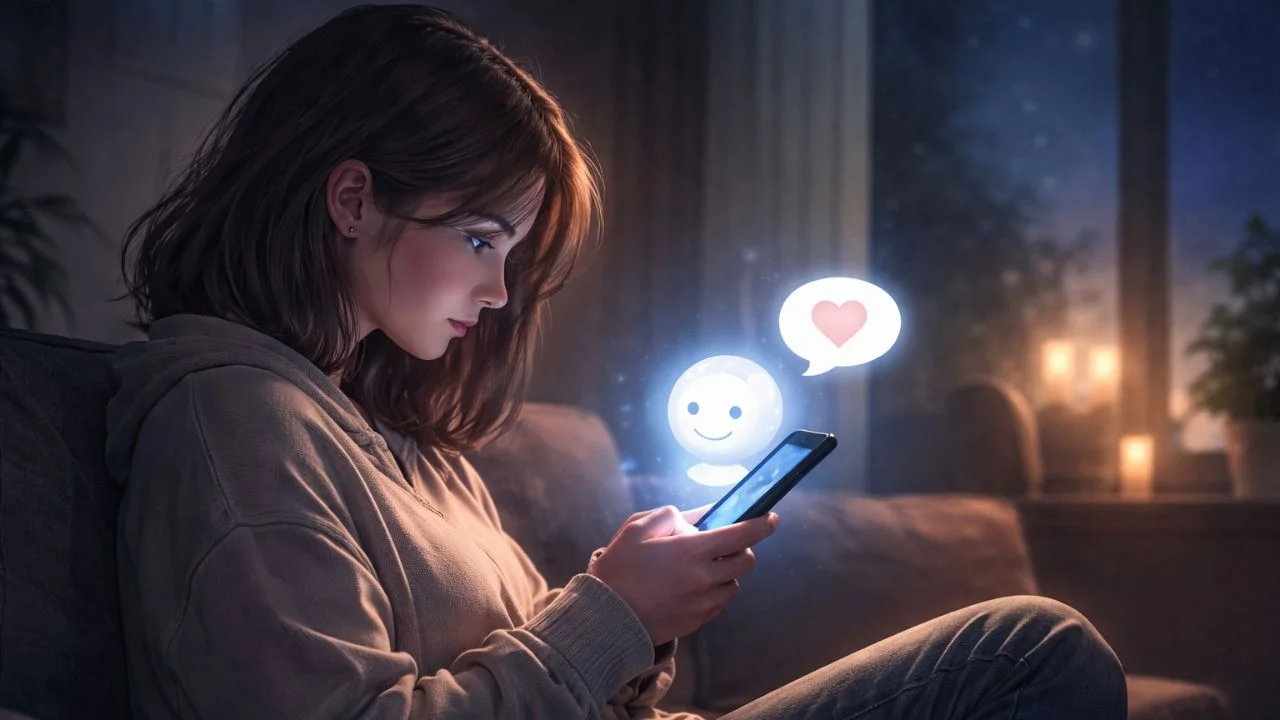
There was a time when loneliness meant silence. Today loneliness has Wi-Fi.
You open your phone. You type a message. Someone responds instantly. They listen. They understand. They don’t judge. They don’t get tired. They don’t disappear.
And slowly, without even realizing it, some people begin to prefer talking to AI over talking to real humans. This isn’t science fiction anymore. It’s happening quietly and more often than we admit.
The Emotional Fatigue No One Talks About
Modern relationships are exhausting.
-
Endless swiping on dating apps
-
Conversations that start strong and vanish overnight
-
“Seen” but not replied
-
Mixed signals
-
Emotional inconsistency
It’s not that people don’t want love. It’s that they’re tired of chasing clarity. Emotional burnout is real. And when relationships begin to feel like uncertainty, AI starts to feel like relief.
Why AI Feels Safer
AI doesn’t reject you. It doesn’t ghost you. It doesn’t suddenly change its tone. It doesn’t compare you with someone else. It doesn’t judge your insecurity. For many people, especially those who’ve been hurt repeatedly, emotional safety becomes more important than emotional excitement.
AI provides predictability. And predictability feels like control. And control feels safe. But safety is not the same as intimacy.
The Psychology Behind It
Human relationships demand vulnerability. To love someone means:
-
Risking misunderstanding
-
Facing rejection
-
Being seen without filters
That’s uncomfortable.
AI removes that discomfort. You can express yourself without fear of being misunderstood. You can be dramatic, emotional, confused — and the response will still be calm. This taps into something very human:
-
The need for validation
-
The desire to be heard
-
The fear of abandonment
AI responds. Humans sometimes don’t. And that difference matters more than we realize.
Dating App Fatigue Is Real
Many people are quietly stepping back from dating apps. Not because they stopped believing in love. But because they’re exhausted by the performance of it.
On dating platforms, you don’t just talk — you present a version of yourself. Filtered photos. Smart bios. Controlled personality. It becomes transactional. And when connection feels like performance, people search for something simpler.
AI feels simple. No image pressure. No social status anxiety. No awkward silences. Just conversation.
But Here’s the Question No One Asks
Are we choosing AI because it’s better… or because real connection has become harder? AI can simulate understanding. But it cannot truly feel.
It cannot experience jealousy. It cannot grow through conflict. It cannot hold your hand during uncertainty.
Real intimacy includes discomfort. Growth includes friction. Love includes unpredictability. And maybe what we’re escaping isn’t people — but the risk that comes with loving them.
The Bigger Shift
This isn’t really about technology. It’s about trust. We live in a time where:
-
Loyalty feels fragile
-
Attention spans are short
-
Emotional consistency is rare
So people turn toward something stable. AI becomes a mirror that never argues back. But relationships are not meant to be mirrors. They are meant to be encounters.
Messy. Real. Human.
Maybe This Is What’s Actually Happening
People aren’t choosing AI over love. They’re choosing emotional certainty over emotional chaos.
And that says more about modern relationships than it does about technology. Because at the end of the day, most people don’t want perfection.
They want:
-
To feel heard
-
To feel chosen
-
To feel emotionally safe
AI can imitate that feeling. But it cannot replace the warmth of being understood by someone who has their own fears, flaws, and heartbeat.
Final Thought
Maybe the real question isn’t: “Why are people choosing AI?” Maybe the question is: “Why has real connection started to feel so unsafe?” And until we answer that honestly, AI will continue to feel easier than love.